Critical Review of Sitagliptin Efficacy as Anticancer Agent: Hope or Hype?
Keywords:
Cancer, Dipeptidyl peptidase-4 inhibitor , DPP-4 , Drug repurposing , SitagliptinAbstract
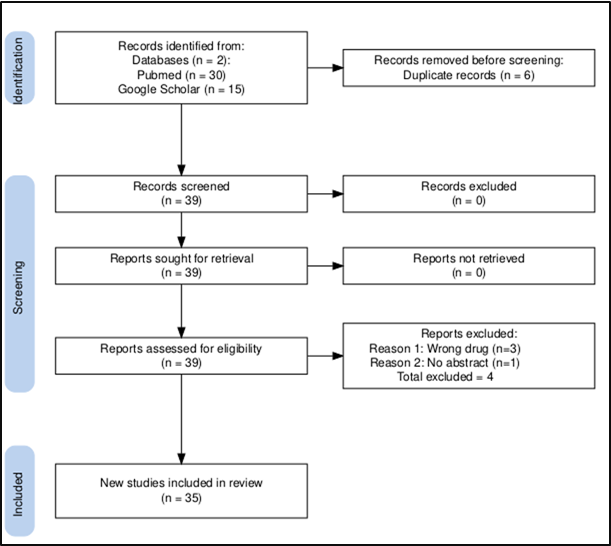
Sitagliptin, a widely prescribed DPP-4 inhibitor for type 2 diabetes, has been implicated in both protective and harmful cancer associations, yet the totality of evidence remains unresolved. This narrative review synthesized evidence from 35 original articles (2010-2026) across in silico, in vitro, in vivo, and clinical investigations. In silico docking predicts high-affinity binding to DPP4, CTNNB1, MET, CD24, and SOX4. In vitro studies demonstrate antiproliferative, pro-apoptotic, and anti-migratory effects across multiple cancer cell lines; however, most used suprapharmacological concentrations (25-100 times therapeutic levels) raise clinical relevance concerns. In vivo studies show tumor suppression in hepatocellular carcinoma, prolonged survival in ovarian cancer, and protective effects in colon cancer models, though one study reported promotion of breast cancer metastasis. Clinical evidence is contradictory: meta-analyses show no overall increased cancer risk (OR 0.91-0.93), while Taiwanese cohort studies report protective effects for breast (HR 0.718), prostate (HR 0.613), and oral cancers (HR 0.345), but increased risks for pancreatic (HR 1.40-1.50) and thyroid (HR 1.52) cancers. Large Japanese and TECOS trials found no increased risk. Proposed mechanisms include immune modulation via CXCL10/CXCR3-mediated CD8+ T-cell trafficking, AMPK activation, HIF-1α suppression, NF-κB inhibition, epigenetic modulation, and apoptosis induction. Despite promising preclinical evidence, concentration disconnect and inconsistent clinical outcomes preclude clinical recommendation of sitagliptin as an anticancer agent. Metformin remains preferred in cancer patients; however, no strong evidence supports discontinuing sitagliptin, except possibly in those with a pancreatic cancer history. Prospective biomarker-driven trials are urgently needed.
References
1. International Diabetes Federation. IDF Diabetes Atlas. 10th ed. Brussels: International Diabetes Federation; 2021. Available at: https://idf.org/news-and-resources/resources/idf-diabetes-atlas-2021/
2. Zhu X, Wang L, Liang H, Zhang J, Zhao S, Zhao C, et al. Global burden of cancers attributable to high fasting plasma glucose from 1990 to 2021 and projections until 2031. Diabetol Metab Syndr. 2026;18(1):56. doi: 10.1186/s13098-025-02074-z.
3. Giovannucci E, Harlan DM, Archer MC, Bergenstal RM, Gapstur SM, Habel LA, et al. Diabetes and cancer: a consensus report. CA Cancer J Clin. 2010;60(4):207-21. doi: 10.3322/caac.20078.
4. Fu R, Chen J, Fang Y, Wu Q, Zhang X, Wang Z. Impact of dipeptidyl peptidase-4 inhibitors on incidence of colorectal cancer in patients with type 2 diabetes mellitus: a systematic review and meta-analysis. Ther Adv Drug Saf. 2025;16:1-15. doi: 10.1177/20420986251318842.
5. Gallagher EJ, LeRoith D. Diabetes, cancer, and metformin: connections of metabolism and cell proliferation. Ann N Y Acad Sci. 2011;1243:54-68. doi: 10.1111/j.1749-6632.2011.06285.x.
6. Hajishah H, Mazloom P, Salehi A, Kazemi D, Samiee R, Majlesi H, et al. Comparative risk of cancer associated with SGLT inhibitors and DPP-4 inhibitors in patients with diabetes: a systematic review and meta-analysis. Diabetol Metab Syndr. 2025;17:321. doi: 10.1186/s13098-025-01898-z.
7. Hidayat K, Zhou YY, Du HZ, Qin LQ, Shi BM, Li ZN. A systematic review and meta-analysis of observational studies of the association between the use of incretin-based therapies and the risk of pancreatic cancer. Pharmacoepidemiol Drug Saf. 2023;32:107-125. doi: 10.1002/pds.5550.
8. Janghorbani M, Dehghani M, Salehi-Marzijarani M. Systematic review and meta-analysis of insulin therapy and risk of cancer. Horm Cancer. 2012;3(4):137-146. doi: 10.1007/s12672-012-0112-z.
9. Evans JM, Donnelly LA, Emslie-Smith AM, Alessi DR, Morris AD. Metformin and reduced risk of cancer in diabetic patients. BMJ. 2005;330(7503):1304-1305. doi: 10.1136/bmj.38415.708634.F7.
10. Barone BB, Yeh HC, Snyder CF, Peairs KS, Stein KB, Derr RL, et al. Long-term all-cause mortality in cancer patients with preexisting diabetes mellitus: a systematic review and meta-analysis. JAMA. 2008; 300(23): 2754-64. doi: 10.1001/jama.2008.824
11. Pearson-Stuttard J, Zhou B, Kontis V, Bentham J, Gunter MJ, Ezzati M. Worldwide burden of cancer attributable to diabetes and high body-mass index: a comparative risk assessment. Lancet Diabetes Endocrinol. 2018;6(6):e6-e15. doi: 10.1016/S2213-8587(18)30150-5.
12. An XD, Duan LY, Zhang YH, Jia QY, Zhang YM, Qiao Y. Association between antidiabetic drugs and cancer risk in patients with type 2 diabetes mellitus: A systematic review and network meta-analysis. World J Diabetes. 2025;16(10):110174. doi: 10.4239/wjd.v16.i10.110174.
13. Klemann C, Wagner L, Stephan M, von Horsten S. Cut to the chase: a review of CD26/dipeptidyl peptidase-4's (DPP4) entanglement in the immune system. Clin Exp Immunol. 2016;185(1):1-21. doi: 10.1111/cei.12781.
14. Sun L, Ma Y, Geng C, Gao X, Li X, Ru Q, et al. DPP4, a potential tumor biomarker, and tumor therapeutic target: review. Mol Biol Rep. 2025;52:126. doi: 10.1007/s11033-025-10235-6.
15. Du J, Fu J, Zhang W, Zhang L, Chen H, Cheng J, et al. Effect of DPP4/CD26 expression on SARS CoV 2 susceptibility, immune response, adenosine (derivatives m62A and CD) regulations on patients with cancer and healthy individuals. Int J Oncol. 2023;62(3):41. doi: 10.3892/ijo.2023.5489.
16. Morimoto C, Schlossman SF. The structure and function of CD26 in the T-cell immune response. Immunol Rev. 1998;161:55-70. doi: 10.1111/j.1600-065x.1998.tb01571.x.
17. Havre PA, Abe M, Urasaki Y, Ohnuma K, Morimoto C, Dang NH. The role of CD26/dipeptidyl peptidase IV in cancer. Front Biosci. 2008; 13: 1634-45. doi: 10.2741/2787
18. Enz N, Vliegen G, De Meester I, Jungraithmayr W. CD26/DPP4 - a potential biomarker and target for cancer therapy. Pharmacol Ther. 2019;198:135-159. doi: 10.1016/j.pharmthera.2019.02.015.
19. Ohnuma K, Dang NH, Morimoto C. Revisiting an old acquaintance: CD26 and its molecular mechanisms in T cell function. Trends Immunol. 2008;29(6):295-301. doi: 10.1016/j.it.2008.02.010.
20. Bardaweel SK, Abu Sneineh B, Hajjo R, Abu Khalaf R. DPP4 inhibitors as a novel therapeutic strategy in colorectal cancer: Integrating network biology and experimental insights. Plos One. 2025;20(10):e0334223. doi: 10.1371/journal.pone.0334223.
21. Zhao M, Chen J, Yuan Y, Zou Z, Lai X, Rahmani DM, et al. Dipeptidyl peptidase-4 inhibitors and cancer risk in patients with type 2 diabetes: a meta-analysis of randomized clinical trials. Sci Rep. 2017;7:8273. doi: 10.1038/s41598-017-07921-2.
22. Shah C, Hong YR, Bishnoi R, Ali A, Skelton IV WP, Dang LH, et al. Impact of DPP4 inhibitors in survival of patients with prostate, pancreas, and breast cancer. Front Oncol. 2020;10:405. doi: 10.3389/fonc.2020.00405.
23. Deacon CF. A review of dipeptidyl peptidase-4 inhibitors. Hot topics from randomized controlled trials. Diabetes Obes Metab. 2018;20(Suppl 1):34-46. doi: 10.1111/dom.13135.
24. Nauck MA, Meier JJ, Cavender MA, Abd El Aziz M, Drucker DJ. Cardiovascular actions and clinical outcomes with glucagon-like peptide-1 receptor agonists and dipeptidyl peptidase-4 inhibitors. Circulation. 2017;136(9):849-870. doi: 10.1161/CIRCULATIONAHA.117.028136.
25. Scirica BM, Bhatt DL, Braunwald E, Steg PG, Davidson J, Hirshberg B, et al. Saxagliptin and cardiovascular outcomes in patients with type 2 diabetes mellitus. N Engl J Med. 2013;369(14):1317-1326. doi: 10.1056/NEJMoa1307684.
26. Ferreira JP, Mehta C, Sharma A, Nissen SE, Rossignol P, Zannad F. Alogliptin after acute coronary syndrome in patients with type 2 diabetes: a renal function stratified analysis of the EXAMINE trial. BMC Med. 2020;18(1):165. doi: 10.1186/s12916-020-01616-8.
27. Green JB, Bethel MA, Armstrong PW, Buse JB, Engel SS, Garg J, et al. Effect of sitagliptin on cardiovascular outcomes in type 2 diabetes. N Engl J Med. 2015;373(3):232-242. doi: 10.1056/NEJMoa1501352.
28. Monami M, Dicembrini I, Martelli D, Mannucci E. Safety of dipeptidyl peptidase-4 inhibitors: a meta-analysis of randomized clinical trials. Curr Med Res Opin. 2011;27(Suppl 3):57-64. doi: 10.1185/03007995.2011.602964.
29. Kenawy AS, Liu YS, Aiyoelemi A, Okoye G, Park C. Real-world evidence on the association of novel antidiabetic medication use with cancer risk and protective effects: a systematic review and network meta-analysis. Ther Adv Drug Saf. 2025; 16:1-20. doi: 10.1177/20420986251335214.
30. Overbeek JA, Bakker M, van der Heijden AAWA, van Herk-Sukel MPP, Herings RMC, Nipels G. Risk of dipeptidyl peptidase-4 (DPP-4) inhibitors on site-specific cancer: A systematic review and meta-analysis. Diabetes Metab Res Rev. 2018;34:e3004. doi: 10.1002/dmrr.3004.
31. Bea S, Son H, Bae JH, Cho SW, Shin JY, Cho YM. Risk of thyroid cancer associated with glucagon-like peptide-1 receptor agonists and dipeptidyl peptidase-4 inhibitors in patients with type 2 diabetes: A population-based cohort study. Diabetes Obes Metab. 2024;26:108-117. doi: 10.1111/dom.15292.
32. Rogalska A, Sliwinska A, Kasznicki J, Drzewoski J, Marczak A. Effects of Epothilone A in combination with the antidiabetic drugs metformin and sitagliptin in HepG2 human hepatocellular cancer cells: role of transcriptional factors NF-κB and p53. Asian Pac J Cancer Prev. 2016;17(3):993-1001. doi: 10.7314/apjcp.2016.17.3.993.
33. Wang Q, Lu P, Wang T, Zheng Q, Li Y, Leng SX, et al. Sitagliptin affects gastric cancer cells proliferation by suppressing melanoma-associated antigen-A3 expression through Yes-associated protein inactivation. Cancer Med. 2020;9(11):3816-3828. doi: 10.1002/cam4.3024.
34. Yang F, Takagaki Y, Yoshitomi Y, Ikeda T, Li J, Kitada M, et al. Inhibition of dipeptidyl peptidase-4 accelerates epithelial-mesenchymal transition and breast cancer metastasis via the CXCL12/CXCR4/mTOR axis. Cancer Res. 2019;79(4):735-746. doi: 10.1158/0008-5472.CAN-18-0620.
35. Saito A, Kitayama J, Horie H, Koinuma K, Kawashima R, Ohzawa H, et al. Dipeptidyl peptidase (DPP)-4 inhibitor impairs the outcomes of patients with type 2 diabetes mellitus after curative resection for colorectal cancer. Cancer Res Commun. 2021;1(2):106-114. doi: 10.1158/2767-9764.CRC-21-0042.
36. Laeeq T, Ahmed M, Sattar H, Zeeshan MH, Ali MB. Role of SGLT2 inhibitors, DPP-4 inhibitors, and metformin in pancreatic cancer prevention. Cancers (Basel). 2024;16(7):1271. doi: 10.3390/cancers16071271.
37. Rouette J, Yin H, Yu OHY, Bouganim N, Platt RW, Azoulay L. Incretin-based drugs and risk of lung cancer among individuals with type 2 diabetes. Diabet Med. 2020;37(5):868-875. doi: 10.1111/dme.14287.
38. Tseng CH. Sitagliptin may reduce breast cancer risk in women with type 2 diabetes. Clin Breast Cancer. 2017;17(3):211-218. doi: 10.1016/j.clbc.2016.11.002.
39. Tseng CH. Sitagliptin and pancreatic cancer risk in patients with type 2 diabetes. Eur J Clin Invest. 2016;46(1):70-79. doi: 10.1111/eci.12570.
40. Tseng CH. Sitagliptin use and thyroid cancer risk in patients with type 2 diabetes. Oncotarget. 2016;7(17):24871-24879. doi: 10.18632/oncotarget.8399.
41. Elashoff M, Matveyenko AV, Gier B, Elashoff R, Butler PC. Pancreatitis, pancreatic, and thyroid cancer with glucagon-like peptide-1-based therapies. Gastroenterology. 2011;141(1):150-156. doi: 10.1053/j.gastro.2011.02.018.
42. Medenica S, Bogdanovic J, Vekic J, Vojinovic T, Babic I, Bogdanović L, et al. Incretin-based therapies and cancer: what's new? Medicina (Kaunas). 2025;61(4):678. doi: 10.3390/medicina61040678.
43. Butler PC, Elashoff M, Elashoff R, Gale EA. A critical analysis of the clinical use of incretin-based therapies: Are the GLP-1 therapies safe? Diabetes Care. 2013;36(7):2118-2125. doi: 10.2337/dc12-2713.
44. Ling J, Cheng P, Ge L, Zhang DH, Shi AC, Tian JH, et al. The efficacy and safety of dipeptidyl peptidase-4 inhibitors for type 2 diabetes: a Bayesian network meta-analysis of 58 randomized controlled trials. Acta Diabetol. 2019;56(3):249-272. doi: 10.1007/s00592-018-1222-z.
45. GBD 2021 Diabetes Collaborators. Global, regional, and national burden of diabetes from 1990 to 2021, with projections of prevalence to 2050: a systematic analysis for the Global Burden of Disease Study 2021. Lancet. 2023;402(10397):203-234. doi: 10.1016/S0140-6736(23)01301-6.
46. Beitelshees AL, Streeten EA, Shahidzadeh Yazdi Z, Whitlatch HB, Mitchell BD, Shuldiner AR, et al. Acute pharmacodynamic responses to sitagliptin: Drug-induced increase in early insulin secretion in oral glucose tolerance test. Clin Transl Sci. 2024;17(5):e13809. doi: 10.1111/cts.13809.
47. Haddaway NR, Page MJ, Pritchard CC, McGuinness LA. PRISMA2020: An R package and Shiny app for producing PRISMA 2020-compliant flow diagrams, with interactivity for optimised digital transparency and Open Synthesis. Campbell Syst Rev. 2022;18(2):e1230. doi: 10.1002/cl2.1230.
48. Naveed M, Mughal MS, Aziz T, Makhdoom SI, Jamil H, Khan AA, et al. Transcriptomic analysis for elucidating the therapeutic potential of sitagliptin against the identified TOP2A/UBE2C/CKS2 genes as mutually inclusive theragnostic signatures of bladder and prostate cancer. J Comput Biophys Chem. 2025;24(4):389-401. doi: 10.1142/S2737416524500625.
49. Shih JW, Wu ATH, Mokgautsi N, Wei PL, Huang YJ. Preclinical repurposing of sitagliptin as a drug candidate for colorectal cancer by targeting CD24/CTNNB1/SOX4-centered signaling hub. Int J Mol Sci. 2024;25(1):609. doi: 10.3390/ijms25010609.
50. Cheng SY, Wu ATH, Batiha GE, Ho CL, Lee JC, Lukman HY, et al. Identification of DPP4/CTNNB1/MET as a theranostic signature of thyroid cancer and evaluation of the therapeutic potential of sitagliptin. Biology (Basel). 2022;11(2):324. doi: 10.3390/biology11020324.
51. Mohtadi S, Molavinia S, Shariati S, Mahdavinia M, Dayer D, Farzam F. Exploring the effectiveness of sitagliptin to enhance cisplatin chemosensitivity in HTB-9 bladder cancer cells. J Biochem Mol Toxicol. 2025;39(11):e70584. doi: 10.1002/jbt.70584.
52. Ruteaga-Navarro TC, Reyes-Romero MA, Torres-Salazar QL. Effect of sitagliptin on down-regulation of KAT7 and SIRT1 gene expression in breast cancer cell line MCF7. Cir Cir. 2023;91(3):334-338. doi: 10.24875/CIRU.22000189.
53. Amritha CA, Kumaravelu P, Chellathai DD. Evaluation of anti-cancer effects of DPP-4 inhibitors in colon cancer - an in vitro study. J Clin Diagn Res. 2015;9(12):FC14-16. doi: 10.7860/JCDR/2015/16015.6979.
54. Varela-Calviño R, Rodríguez-Quiroga M, Dias Carvalho P, Martins F, Serra-Roma A, Vázquez-Iglesias L, et al. The mechanism of sitagliptin inhibition of colorectal cancer cell lines' metastatic functionalities. IUBMB Life. 2021;73(5):761-773. doi: 10.1002/iub.2454.
55. Yang X, Zhang X, Wu R, Huang Q, Jiang Y, Qin J, et al. DPPIV promotes endometrial carcinoma cell proliferation, invasion and tumorigenesis. Oncotarget. 2017;8(5):8679-8692. doi: 10.18632/oncotarget.14412.
56. Kosowska A, Garczorz W, Kłych-Ratuszny A, Aghdam MRF, Kimsa-Furdzik M, Simka-Lampa K, et al. Sitagliptin modulates the response of ovarian cancer cells to chemotherapeutic agents. Int J Mol Sci. 2020;21(23):8976. doi: 10.3390/ijms21238976.
57. Lee JJ, Wang TY, Liu CL, Chien MN, Chen MJ, Hsu YC, et al. Dipeptidyl peptidase IV as a prognostic marker and therapeutic target in papillary thyroid carcinoma. J Clin Endocrinol Metab. 2017;102(8):2930-2940. doi: 10.1210/jc.2017-00346.
58. FDA. Clinical Pharmacology Review NDA 021995: Sitagliptin phosphate (Januvia®). Silver Spring, MD: US Food and Drug Administration; 2006. Available at: https://www.accessdata.fda.gov/drugsatfda_docs/nda/2025/219122Orig1s000ClinPharmR.pdf Accessed [4/8/2026].
59. Femia AP, Raimondi L, Maglieri G, Lodovici M, Mannucci E, Caderni G. Long-term treatment with sitagliptin, a dipeptidyl peptidase-4 inhibitor, reduces colon carcinogenesis and reactive oxygen species in 1,2-dimethylhydrazine-induced rats. Int J Cancer. 2013;133(10):2498-2503. doi: 10.1002/ijc.28260.
60. Yorifuji N, Inoue T, Iguchi M, Fujiwara K, Kakimoto K, Nouda S, et al. The dipeptidyl peptidase-4 inhibitor sitagliptin suppresses mouse colon tumorigenesis in type 2 diabetic mice. Oncol Rep. 2016;35(2):676-682. doi: 10.3892/or.2015.4429.
61. Fujiwara K, Inoue T, Henmi Y, Hirata Y, Naka Y, Hara A, et al. Sitagliptin, a dipeptidyl peptidase-4 inhibitor, suppresses CXCL5 and SDF-1 and does not accelerate intestinal neoplasia formation in ApcMin/+ mice fed a high-fat diet. Oncol Lett. 201;14(4):4355-4360. doi: 10.3892/ol.2017.6698.
62. Zuo B, Li T, Liu X, Wang S, Cheng J, Liu X, et al. Dipeptidyl peptidase 4 inhibitor reduces tumor-associated macrophages and enhances anti-PD-L1-mediated tumor suppression in non-small cell lung cancer. Clin Transl Oncol. 2023;25(11):3188-3202. doi: 10.1007/s12094-023-03187-5.
63. Jiang W, Wen D, Cheng Z, Yang Y, Zheng G, Yin F. Effect of sitagliptin, a DPP-4 inhibitor, against DENA-induced liver cancer in rats mediated via NF-κB activation and inflammatory cytokines. J Biochem Mol Toxicol. 2018;32(12):e22220. doi: 10.1002/jbt.22220.
64. Kawaguchi T, Nakano D, Koga H, Torimura T. Effects of a DPP4 inhibitor on progression of NASH-related HCC and the p62/Keap1/Nrf2-pentose phosphate pathway in a mouse model. Liver Cancer. 2019;8(5):359-372. doi: 10.1159/000491763.
65. Abd El-Fattah EE, Saber S, Youssef ME, Eissa H, El-Ahwany E, Amin NA, et al. AKT-AMPKα-mTOR-dependent HIF-1α activation is a new therapeutic target for cancer treatment: a novel approach to repositioning the antidiabetic drug sitagliptin for the management of hepatocellular carcinoma. Front Pharmacol. 2022;12:720173. doi: 10.3389/fphar.2021.720173.
66. Wilson AL, Moffitt LR, Wilson KL, Bilandzic M, Wright MD, Gorrell MD, et al. DPP4 inhibitor sitagliptin enhances lymphocyte recruitment and prolongs survival in a syngeneic ovarian cancer mouse model. Cancers. 2021;13(3):487. doi: 10.3390/cancers13030487.
67. Kurihara S, Sawa N, Sumida K, Ikuma D, Oba Y, Mizuno H, et al. A case report of dipeptidyl peptidase 4 inhibitor-related kidney disease combined with renal cancer. Front Nephrol. 2024;4:1409098. doi: 10.3389/fneph.2024.1409098.
68. Green JB, Bethel MA, Armstrong PW, Buse JB, Engel SS, Garg J, et al. Effect of sitagliptin on cardiovascular outcomes in type 2 diabetes. N Engl J Med. 2015;373(3):232-242. doi: 10.1056/NEJMoa1501352.
69. Sugiyama T, Furuno T, Ichinose Y, Iwagami M, Ihana-Sugiyama N, Imai K, et al. Assessment of cancer risk associated with 7-nitroso-3-(trifluoromethyl)-5,6,7,8-tetrahydro(1,2,4)triazolo(4,3-a)pyrazine-contaminated sitagliptin use: a retrospective cohort study. J Diabetes Investig. 2024;15(11):1556-1565. doi: 10.1111/jdi.14281.
70. Lee M, Sun J, Han M, Cho Y, Lee JY, Nam CM, et al. Nationwide trends in pancreatitis and pancreatic cancer risk among patients with newly diagnosed type 2 diabetes receiving dipeptidyl peptidase 4 inhibitors. Diabetes Care. 2019;42(11):2057-2064. doi: 10.2337/dc18-2195.
71. Choi YJ, Kim DJ, Shin S. Incident cancer risk in dipeptidyl peptidase-4 inhibitor-treated patients with type 2 diabetes mellitus. Cancer Manag Res. 2019;11:7427-7438. doi: 10.2147/CMAR.S215107.
72. Kim MK, Han K, Kwon HS, Yoo SJ. Risk of pancreatic cancer and use of dipeptidyl peptidase 4 inhibitors in patients with type 2 diabetes: a propensity score-matching analysis. Endocrinol Metab (Seoul). 2023;38(4): 426-435. doi: 10.3803/EnM.2023.1737.
73. Li Z, Lin C, Zhou J, Cai X, Zhu X, Hu S, et al. Dipeptidyl peptidase-4 inhibitor treatment was associated with a reduced incidence of neoplasm in patients with type 2 diabetes: a meta-analysis of 115 randomized controlled trials with 121,961 participants. Expert Opin Drug Saf. 2022;21(7):957-64. doi: 10.1080/13543784.2022.2113056.
74. Dicembrini I, Nreu B, Montereggi C, Mannucci E, Monami M. Risk of cancer in patients treated with dipeptidyl peptidase-4 inhibitors: an extensive meta-analysis of randomized controlled trials. Acta Diabetol. 2020;57(6):689-696. doi: 10.1007/s00592-020-01479-8.
75. Monami M, Dicembrini I, Mannucci E. Dipeptidyl peptidase-4 inhibitors and pancreatitis risk: a meta-analysis of randomized clinical trials. Diabetes Obes Metab. 2014;16(1):48-56. doi: 10.1111/dom.12176.
76. Karagiannis T, Paschos P, Paletas K, Matthews DR, Tsapas A. Dipeptidyl peptidase-4 inhibitors for treatment of type 2 diabetes mellitus in the clinical setting: systematic review and meta-analysis. BMJ. 2012;344:e1369. doi: 10.1136/bmj.e1369.
77. Tseng CH. Sitagliptin may reduce prostate cancer risk in male patients with type 2 diabetes. Oncotarget. 2017;8(12):19057-19064. doi: 10.18632/oncotarget.12137.
78. Tseng CH. Sitagliptin and oral cancer risk in type 2 diabetes patients. Oncotarget. 2017;8(57):96753-96760. doi: 10.18632/oncotarget.18239.
79. Hsu YC, Lin YH, Wu CY, Lin JT, Wu CY. Mo1353 risk of incident pancreatic cancer in association with dipeptidyl peptidase-4 inhibitor in a nationwide cohort of 249248 patients with type 2 diabetes mellitus. Gastroenterology. 2020;158(6):S-1413. doi: 10.1016/S0016-5085(20)32830-4.
80. Muhammed A, Thomas C, Kalaiselvan V, Undela K. Risk of pancreatitis and pancreatic carcinoma for anti-diabetic medications: findings from real-world safety data analysis and systematic review and meta-analysis of randomized controlled trials. Expert Opin Drug Saf. 2024;23(6):731-742. doi: 10.1080/14740338.2023.2284992.
81. Cordero OJ, Rafael-Vidal C, Varela-Calviño R, Calviño-Sampedro C, Malvar-Fernández B, García S, et al. Distinctive CD26 Expression on CD4 T-Cell Subsets. Biomolecules. 2021;11(10):1446. doi: 10.3390/biom11101446.
82. Hu X, Wang X, Xue X. Therapeutic perspectives of CD26 inhibitors in imune-mediated diseases. Molecules. 2022;27(14):4498. doi: 10.3390/molecules27144498.
83. Gupta SC, Sung B, Prasad S, Webb LJ, Aggarwal BB. Cancer drug discovery by repurposing: teaching new tricks to old dogs. Trends Pharmacol Sci. 2013;34(9):508-517. doi: 10.1016/j.tips.2013.06.005.
84. Pushpakom S, Iorio F, Eyers PA, Escott KJ, Hopper S, Wells A, et al. Drug repurposing: progress, challenges and recommendations. Nat Rev Drug Discov. 2019;18(1):41-58. doi: 10.1038/nrd.2018.168.
85. Niazmand A, Nedaeinia R, Vatandoost N, Jafarpour S, Safabakhsh S, Kolahdouz M, Ferns GA, et al. The impacts of dipeptidyl-peptidase 4 (DPP-4) inhibitors on common female malignancies: A systematic review. Gene. 2024;927:148659. doi: 10.1016/j.gene.2024.148659.
86. Muddather HF, Schelz Z, Zupkó I. DPP-4 inhibitors in female cancers: opportunities for drug repurposing. Curr Issues Mol Biol. 2026;48(5):445. doi: 10.3390/cimb48050445.
87. Suryadevara V, Roy A, Sahoo J, Kamalanathan S, Naik D, Mohan P, et al. Incretin based therapy and pancreatic cancer: Realising the reality. World J Gastroenterol. 2022;28(25):2881-2889. doi: 10.3748/wjg.v28.i25.2881.
88. Buse JB, Bethel MA, Green JB, Stevens SR, Lokhnygina Y, Aschner P, et al. Pancreatic safety of sitagliptin in the TECOS study. Diabetes Care. 2017;40:164-170. doi: 10.2337/dc15-2780.
89. Sondergaard CS, Esquivel PN, Dalamaga M, Magkos F. Use of antihyperglycemic drugs and risk of cancer in patients with diabetes. Curr Oncol Rep. 2023;25:29-40. doi: 10.1007/s11912-022-01348-5.
90. Tseng CH. Diabetes and risk of prostate cancer: a study using the National Health Insurance. Diabetes Care. 2011;34(3):616-621. doi: 10.2337/dc10-1640.
91. Yonatan ER, Jusni LFJ, Alvianto S, Widjanarko ND, Usman SY, Muzellina VN. Do incretin-based therapies influence the risk of cholangiocarcinoma in type 2 diabetes patients? Insights from a systematic review and meta-analysis. J Gastrointest Cancer. 2025. doi: 10.1007/s12029-025-01330-9.
92. Nishimura A, Usui S, Kumashiro N, Uchino H, Yamato A, Yasuda D, et al. Efficacy and safety of repaglinide added to sitagliptin in Japanese patients with type 2 diabetes: A randomized 24-week open-label clinical trial. Endocr J. 2016;63(12):1087-1098.
93. Tada Y, Kanazawa I, Notsu M, Tanaka K, Kiyohara N, Sasaki M, et al. Long-term efficacy and safety of sitagliptin in elderly patients with type 2 diabetes mellitus. Intern Med. 2016;55:1275-1278. doi: 10.2169/internalmedicine.55.6011.
94. Katzeff HL, Williams-Herman D, Xu L, Golm GT, Wang H, Dong Q, et al. Long-term efficacy of sitagliptin as either monotherapy or add-on therapy to metformin: improvement in glycemic control over 2 years in patients with type 2 diabetes. Curr Med Res Opin. 2015;31(6):1109-1118. doi: 10.1185/03007995.2015.1037259.
95. Ferrannini E, Berk A, Hantel S, Pinnetti S, Hach T, Woerle HJ, et al. Long-term safety and efficacy of empagliflozin, sitagliptin, and metformin: an active-controlled, parallel-group, randomized, 78-week open-label extension study in patients with type 2 diabetes. Diabetes Care. 2013;36:4015-4021. doi: 10.2337/dc13-0663.
96. Yoshikawa K, Tsuchiya A, Kido T, Ota T, Ikeda K, Iwakura M, et al. Long-term safety and efficacy of sitagliptin for type 2 diabetes mellitus in Japan: Results of a multicentre, open-label, observational post-marketing surveillance study. Adv Ther. 2020;37(6):2771-2789. doi: 10.1007/s12325-020-01293-2.
97. Mpratsiakou A, Papasotiriou M, Ntrinias T, Tsiotisios K, Papachristou E, Goumenos DS. Safety and efficacy of long-term administration of dipeptidyl peptidase IV inhibitors in patients with new onset diabetes after kidney transplant. Exp Clin Transplant. 2021;19(5):411-416. doi: 10.6002/ect.2020.0519.
98. Wang KL, Liu CJ, Chao TF, Huang CM, Wu CH, Chen SJ, et al. Sitagliptin and the risk of hospitalization for heart failure: a population-based study. Int J Cardiol. 2015;179:193-197. doi: 10.1016/j.ijcard.2014.09.038.
99. Dhas Y, Biswas N, M R D, Jones LD, Ashili S. Repurposing metabolic regulators: antidiabetic drugs as anticancer agents. Mol Biomed. 2024;5(1):40. doi: 10.1186/s43556-024-00204-z.
100. Gandini S, Puntoni M, Heckman-Stoddard BM, Dunn BK, Ford L, DeCensi A, et al. Metformin and cancer risk and mortality: a systematic review and meta-analysis taking into account biases and confounders. Cancer Prev Res (Phila). 2014;7(9):867-885. doi: 10.1158/1940-6207.CAPR-13-0424.
101. Libby G, Donnelly LA, Donnan PT, Alessi DR, Morris AD, Evans JM. New users of metformin are at low risk of incident cancer: a cohort study among people with type 2 diabetes. Diabetes Care. 2009;32(9):1620-1625. doi: 10.2337/dc08-2175.
Downloads
Published
Issue
Section
License
Copyright (c) 2026 The Journal of Iraqi Society of Pharmaceutical Sciences

This work is licensed under a Creative Commons Attribution-NonCommercial-ShareAlike 4.0 International License.

